 2026 is set to be a transformative year for anyone considering the starting their business. New technologies like artificial intelligence, shifting global markets, and evolving customer expectations are reshaping how founders turn ideas into thriving businesses.
This essential guide is designed for aspiring entrepreneurs ready to navigate the modern landscape. You will find updated strategies, practical steps, and expert insights tailored for the realities of launching a business in 2026.
Inside, you will discover a step-by-step roadmap from ideation and validation to legal setup, funding, team building, and future-proofing your business.
Explore the latest trends, overcome key challenges, and gain proven solutions. Let this guide be your trusted companion as you take action toward your entrepreneurial goals.
Understanding the 2026 Entrepreneurial Landscape
The start of company journeys in 2026 unfolds against a rapidly shifting global backdrop. Entrepreneurs today face both exciting opportunities and new complexities, shaped by technology, societal values, and evolving regulations. Understanding this landscape is essential for making informed decisions and building resilient ventures.
 Key Trends Shaping Startups in 2026
Several powerful trends are redefining the start of company playbook. The rise of AI and automation is accelerating digital transformation, while speed and experimentation are now central to business strategy.
Access to international markets expands through e-commerce and digital platforms. Notably, 62 percent of new startups in 2025 adopted AI tools to enhance efficiency and innovation. For a deeper dive into the latest industry shifts and global data, check out the Global Startup Statistics 2025 resource.
Shifting Customer Expectations and Market Demands
Modern consumers expect the founders to deliver personalized, easy experiences. Transparency, ethical practices, and clear social impact matter more than ever. Direct-to-consumer brands are gaining ground over traditional competitors by leveraging data and authentic storytelling.
Customers reward companies that are agile and responsive. Meeting these heightened expectations means integrating real-time feedback and building trust at every touchpoint.
Essential Entrepreneurial Mindsets for 2026
Success in your journey increasingly depends on mindset. Founders must cultivate adaptability, resilience, and a willingness to learn continuously. The ability to iterate quickly and embrace change is critical.
According to Forbes, 78 percent of successful founders in 2025 credited adaptability as a decisive factor. This mindset, paired with openness to new technology and feedback, sets leaders apart in a crowded field.
Opportunities & Challenges Unique to 2026
Emerging industries such as green tech, health tech, and the creator (gig)economy are opening new doors for a start of company hopefuls. At the same time, increased competition and information overload require sharper focus and more strategic execution.
Entrepreneurs who navigate these complexities with clarity and purpose can seize the unique possibilities that 2026 offers.
Step 1: From Idea to Validation
Launching a successful business in 2026 begins with a strong foundation: a validated idea. This stage is crucial, as it shapes every decision and reduces the risk of building something the market does not want. Let us break down each step to ensure your start of company is both strategic and data-driven.
Finding a Profitable Business Idea
Every start of company begins with identifying a problem worth solving. Use market gap analysis to spot unaddressed needs or inefficiencies. Trend spotting helps you anticipate where industries are headed, while reflecting on your own pain points can reveal unique opportunities.
Leverage tools like Google Trends to identify rising topics. Industry reports provide insights into growth sectors, and customer interviews uncover specific frustrations. For example, Airbnb’s founders noticed a personal need for affordable lodging and transformed it into a global platform. Remember, a successful start of a company relies on ideas that address real market demands.
Validating Your Idea with Real Customers
Validation is the safety net for your business. Start by building a minimum viable product (MVP), a simple version of your idea that solves the core problem. Create landing pages to gauge interest or offer pre-sales to test willingness to pay.
Engage with real users through surveys and interviews, gathering feedback before investing heavily. According to CB Insights, 42% of startups fail due to lack of market need. For practical tips, see Validating your startup idea. Early validation ensures your start of company is built on solid ground.
Market and Competitor Analysis
Understanding your market is vital for any start of company. Begin by identifying target segments and developing simple buyer personas. Analyze competitors to discover their strengths and weaknesses, and look for gaps your business can fill.
Use tools like SEMrush and SimilarWeb to track competitor performance. Apply SWOT analysis to map your advantages and threats. Here is a quick comparison:
Tool | Purpose | Benefit |
|---|---|---|
SEMrush | Competitor SEO analysis | Identifies traffic sources |
SimilarWeb | Market trends | Benchmarks performance |
SWOT | Strategic planning | Clarifies positioning |
A thorough analysis gives your start of company a competitive edge.
Leveraging AI and Modern Tools for Validation
AI is revolutionizing the start of company process. Modern platforms can quickly analyze market data, predict trends, and automate customer surveys. Chatbots like ChatGPT are great for summarizing content, while tools such as GrowthApp provide actionable steps so you can implement fast.
TechCrunch reports that startups using AI tools achieve validation cycles 50% faster. Automated surveys and data-driven dashboards help you iterate based on evidence, not guesses. Integrating AI early accelerates your start of company, letting you adapt rapidly to market signals.
Building a Unique Value Proposition (UVP)
A compelling UVP is the heartbeat of your start of company. It clearly states why your solution is different and better. Craft a UVP that is concise, memorable, and directly addresses your customer’s pain point.
Test your UVP with real users do they understand and remember it? Dollar Shave Club, for example, built a viral UVP around simplicity and affordability. Continually refine your message based on feedback. A powerful UVP helps your start of company stand out in crowded markets.
How AI Platforms Like GrowthApp Accelerate Idea Validation
AI-enabled platforms like GrowthApp are transforming the start of company landscape. GrowthApp offers automated idea analysis, validation tools, and personalized roadmaps tailored for non-technical founders. Its visual process and progress tracking keep you motivated and focused.

Founders using GrowthApp report reducing validation time by 60%, gaining accelerator-level guidance without the high costs. Universities and entrepreneurs alike trust GrowthApp to streamline the start of company process. By leveraging AI, you minimize risk and maximize your company’s chances of success.
Step 2: Legal, Financial, and Structural Foundations
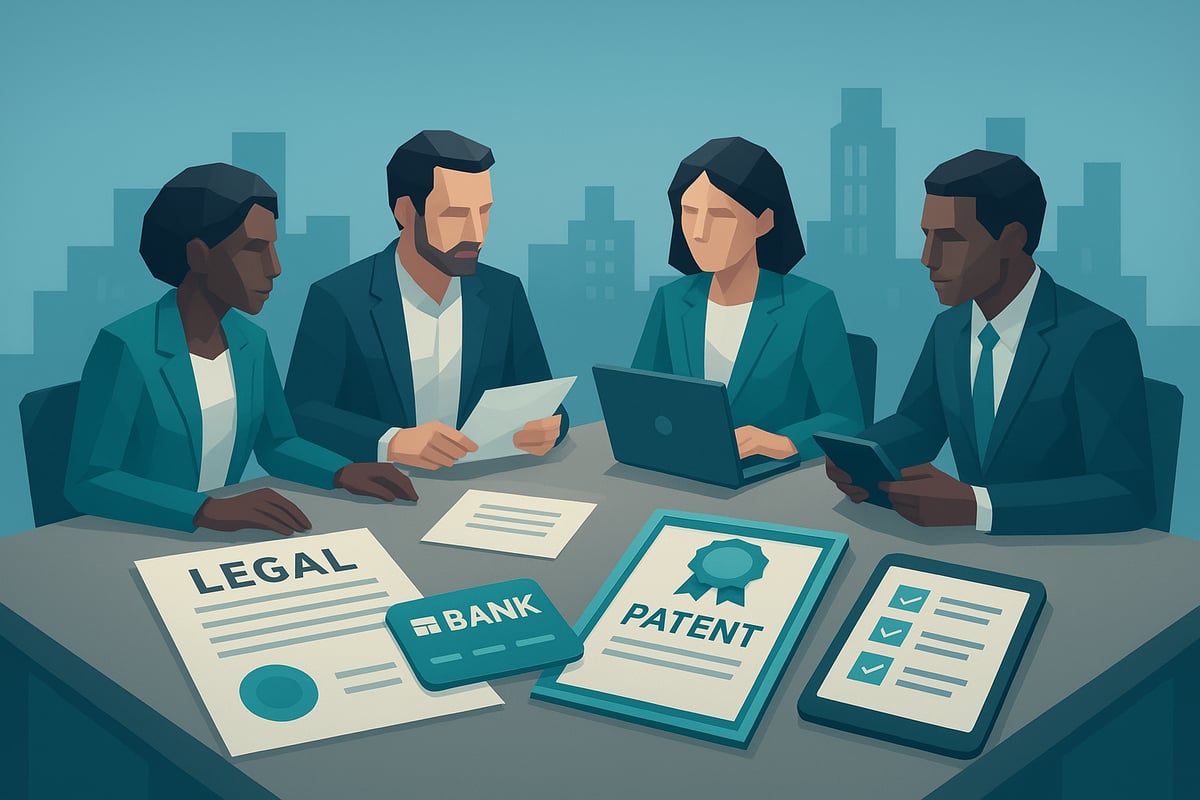
Establishing the right legal, financial, and structural base is critical for any start of company in 2026. Founders must navigate evolving requirements and leverage modern tools to ensure compliance, protection, and operational efficiency. This step guides you through the essential foundations to set your business up for long-term success.
Choosing the Right Business Structure
Selecting the optimal structure for your start of company affects liability, taxes, and growth potential. The main options are LLC, corporation, sole proprietorship, and partnership. Each has unique advantages and drawbacks.
Structure | Liability | Taxation | Flexibility | Popularity |
|---|---|---|---|---|
LLC | Limited | Pass-through | High | Very High |
Corporation | Limited | Double | Moderate | High |
Sole Proprietorship | Unlimited | Personal | Highest | Common |
Partnership | Shared | Pass-through | High | Moderate |
LLCs are favored by many for their flexibility and liability protection. For your start of company, consider future goals, risk tolerance, and investor expectations before deciding.
Registering Your Company in 2026
The registration process for a start of company is now more streamlined, with most founders completing steps online. Begin by selecting a unique business name, then register through your local or federal digital portal. Secure an Employer Identification Number (EIN) and obtain necessary licenses.
Follow these steps:
Choose and check business name availability
File formation documents online
Apply for EIN
Obtain permits and licenses
According to the U.S. SBA, 85% of new businesses register online. For a detailed process, consult this Step-by-step business launch checklist to ensure your start of company meets all requirements.
Opening Business Bank Accounts and Managing Finances
A professional business depends on financial separation and efficient money management. Open a dedicated business bank account to avoid mixing personal and company funds, which is vital for transparency and legal protection.
Recommended fintech tools for startups include Mercury for banking and Wise for international transactions. Use budgeting apps and expense trackers to keep cash flow healthy. Early attention to financial systems helps your start of company stay audit-ready and scalable.
Protecting Your Intellectual Property
Safeguarding your ideas is essential for any start of company. Intellectual property (IP) includes trademarks, copyrights, and patents. Determine early what needs protection and file with the appropriate authorities.
Steps to protect IP:
Conduct a thorough search for existing rights
File for trademarks and copyrights as soon as possible
Consult an IP attorney for patentable innovations
Famous cases like Apple’s strategic IP moves show how vital this step is. Protecting your start of company’s assets ensures competitive advantage and investor confidence.
Step 3: Funding Your Startup in a Changing Landscape
Securing the right funding is a pivotal step in the start of company journey. In 2026, entrepreneurs face a dynamic mix of traditional and emerging funding options. Understanding the evolving landscape can help founders make informed decisions and set the foundation for sustainable growth.

Bootstrapping vs. External Funding in 2026
Deciding between bootstrapping and seeking external funding is a core consideration at the start of company phase. Bootstrapping allows founders to retain full control, relying on personal savings or revenue to fuel growth. This approach minimizes dilution but may limit speed and scalability.
External funding, on the other hand, introduces outside investors such as friends and family, angels, or venture capitalists. While this can provide rapid capital infusion, it often comes with expectations around growth and equity. In 2026, more founders are opting to bootstrap until they achieve a minimum viable product, then exploring outside capital to accelerate expansion.
Choosing the right path depends on your vision for the start of company, risk tolerance, and market dynamics.
Navigating Angel Investors and Venture Capital
At the start of a company, pitching to angel investors and venture capitalists requires clarity and preparation. Investors in 2026 prioritize traction, a capable team, and scalable models. A compelling pitch deck should highlight market opportunity, product differentiation, and early customer validation.
Venture capital funding has seen a rebound, with significant investments flowing into AI, fintech, and health tech. According to Startup Funding Trends 2025, global VC investments reached $80 billion in Q1, reflecting renewed confidence in high-growth sectors.
Founders should tailor their outreach to investors aligned with their industry and values, ensuring the start of company is positioned for long-term partnership.
Crowdfunding, Grants, and Alternative Funding
For many at the start of company stage, alternative funding routes offer flexible options. Crowdfunding platforms like Kickstarter and Indiegogo enable founders to validate demand and raise capital from early adopters. Equity crowdfunding opens doors to a broader investor base, allowing supporters to own a piece of your business.
Government grants and startup competitions are also expanding, especially for innovation-driven projects. In 2026, crowdfunding continues to grow, providing a viable path for diverse founders. Assessing these alternatives helps ensure the start of company aligns with both financial and community goals.
Building a Financial Model and Forecast
A robust financial model is essential from the start of company. Projecting revenue, expenses, and cash runway gives founders clarity on required funding and growth milestones. Tools like Excel or SaaS financial templates streamline this process, while scenario planning prepares you for market shifts.
Key elements include estimating customer acquisition costs, pricing strategies, and operational expenses. Regularly updating forecasts helps founders adapt quickly, making the start of company more resilient to unexpected challenges.
Managing Investor Relations and Reporting
Effective investor relations begin at the start of company. Transparent communication builds trust and eases future fundraising. Founders should provide regular updates, financial reports, and milestone achievements to keep stakeholders engaged.
Modern tools simplify cap table management and streamline communications. For example, platforms like Carta help track equity and ensure compliance. By prioritizing transparency, founders strengthen relationships and create a supportive network that sustains the start of company through all growth stages.
Step 4: Building Your Team and Company Culture
People are the heart of every successful start of company. In 2026, how you hire, organize, and lead your team can make or break your business. Let’s explore how to build a resilient, motivated, and high-performing team from day one.
Hiring in a Remote-First World
Hiring at the start of company now means looking beyond borders. Remote-first work opens access to global talent, but it also brings new challenges in sourcing, onboarding, and communication.
Use specialized job boards, such as Remote.co and Fiverr, to find skilled professionals worldwide. Onboarding is more effective when paired with digital collaboration tools like Slack, Notion, and Zoom. Payroll platforms such as Deel or Payoneer make cross-border payments simple.
For founders seeking efficiency, explore top startup tools for entrepreneurs to streamline hiring, onboarding, and daily workflow. Integrating these resources early ensures your start of company is equipped to scale with agility.
Defining Roles, Responsibilities, and Equity
A clear team structure is vital at the start of company. Define each role with precise job descriptions and set expectations for accountability. This clarity prevents overlap, confusion, and costly missteps.
Equity is a powerful motivator, but it must be allocated carefully. Use tools like Founder’s Pie Calculator to determine fair splits based on contributions. Draft founder agreements that outline vesting schedules and exit scenarios.
Setting up these frameworks early protects your team and your vision. It also sends a message of fairness and transparency, both crucial for the start of company in today’s competitive environment.
Creating a Winning Company Culture from Day One
The culture you set at the start of company will influence every future hire and decision. Establish core values, mission, and vision statements that guide daily actions.
Prioritize diversity and psychological safety. Encourage open communication and feedback, so every team member feels valued. Consider sharing company metrics and decisions transparently, as seen in successful startups like Buffer.
A healthy culture boosts retention, innovation, and resilience. Remember, every action at the start of company shapes your long-term reputation and success.
Leadership Skills for 2026 Entrepreneurs
Strong leadership is essential for any start of company aiming for longevity. Today’s founders must demonstrate emotional intelligence, adaptability, and digital communication skills.
Invest in ongoing learning, mentorship, and leadership development. Attend webinars, join peer groups, and seek feedback from your team. Leaders who foster trust and growth mindsets inspire others to excel.
By prioritizing these skills at the start of company, you’ll be better prepared to navigate uncertainty and drive consistent results.
Step 5: Go-to-Market and Scaling Strategies
Bringing your vision to life in the start of company journey means mastering go-to-market and scaling strategies. Success in 2026 demands a blend of creative branding, agile product launches, data-driven customer acquisition, smart automation, and a clear path for global expansion. Each step is vital for transforming your idea into a thriving business.
Creating a Compelling Brand and Online Presence
The start of company process begins with building a brand that resonates. Define your unique story, mission, and values. Develop a distinct visual identity, logo, color palette, and typography—that is memorable and consistent across all channels.
A professional website is essential for credibility. Include clear messaging, intuitive navigation, and mobile optimization. Invest in SEO from day one to drive organic growth. Social media platforms and content marketing help establish authority and connect with your audience.
Key branding elements:
Logo and tagline
Consistent color scheme
Brand voice and messaging
Study successful brands, like Glossier, that grew through storytelling and community. A strong online presence is the foundation for every start of company.
Launching Your Minimum Viable Product (MVP)
Launching an MVP is a crucial milestone in the start of company process. Focus on delivering core features that solve your customer's main problem. Speed is important, but never sacrifice quality or usability.
Collect feedback from early users using surveys, interviews, and analytics. Be ready to iterate quickly. Remember, 35% of startups pivot after their MVP launch, so flexibility is key. Understanding why startups fail is essential; many do not meet real market needs, as highlighted by Startup Failure Rates and Causes.
Build trust by being transparent about updates and actively engaging with your first customers. This sets the tone for a customer-centric start of company.
Customer Acquisition and Retention in 2026
Acquiring and retaining customers is the heartbeat of the start of company journey. Use a mix of channels: content marketing, paid advertising, influencer partnerships, and referral programs to reach your target audience.
Map your customer journey and identify touchpoints for engagement. Loyalty programs and personalized experiences boost retention. Modern tools like HubSpot and Intercom streamline communication and automate follow-ups.
Effective acquisition strategies:
Multi-channel campaigns
Automated email marketing
Customer feedback loops
Retention is more cost-effective than acquisition. Focus on building relationships to ensure the long-term success of your start of company.
Leveraging Automation and AI for Growth
Integrating automation and AI is a game-changer at the start of company stage. Automate repetitive marketing tasks with platforms like Make or Mailerlite. Use AI-powered chatbots to handle customer inquiries 24/7, improving satisfaction and response times.
AI analytics provide actionable insights into customer behavior, helping you personalize messaging and optimize conversion rates. According to Statista, 70% of high-growth startups use AI marketing tools for efficiency and scale.
Embracing these technologies enables the start of company to compete with established players and adapt quickly to market changes.
Scaling Operations and Expanding Globally
Scaling your operations is a defining moment in the start of company lifecycle. Assess your readiness by evaluating systems, team capacity, and financial runway. When expanding into new markets, research localization requirements, cultural nuances, and regulatory compliance.
Emerging industries such as AI, climate tech, and healthcare present significant opportunities, as detailed in Top Startup Industries in 2025. Consider building scalable infrastructure from day one, using cloud-based tools and automation to support growth.
Learning from companies like Notion, which succeeded through strategic international expansion, can inform your approach. With the right strategy, the start of company can achieve sustainable, global impact.
Future-Proofing Your Startup: Innovation and Sustainability
Innovation and sustainability are no longer optional for the start of company in 2026. Today’s founders must weave future-proof strategies into every layer of their business. Building a resilient foundation means looking beyond short-term wins and preparing for rapid change, regulatory shifts, and evolving customer values.
Embracing Continuous Innovation
Embedding innovation at the start of company is essential for staying ahead in 2026. Companies that foster creative thinking and rapid experimentation are more adaptable to shifting trends. For example, Tesla’s iterative approach to product development is a model for continuous improvement.
Encourage experimentation by setting up internal hackathons or innovation sprints. Reward teams for proposing new ideas, even if every concept is not implemented. Use feedback loops and data analysis to refine offerings quickly. This mindset ensures your company remains relevant and competitive as technology and markets evolve.
Measuring Success and Iterating for Growth
Tracking the right metrics is crucial from the start of company journey. Define key performance indicators (KPIs) that align with your business goals and review them regularly. Use dashboards and analytics platforms to visualize trends and spot growth opportunities.
Iterate based on real-world results. For guidance on refining your strategy, consider choosing a business model that supports both agility and scalability. This approach helps you pivot or persevere confidently, maximizing your chances of long-term success.
Building Resilience for Long-Term Success
Founders face intense pressure, making resilience vital for the start of company. Prioritize mental health, join support networks, and leverage accelerators or educational resources. A strong support system helps you weather setbacks and seize new opportunities as they arise.
As you set out to launch your business in 2026, remember that every successful founder starts with a clear plan and the right support. We’ve covered everything from refining your idea and validating it with real customers to navigating legal steps and building a resilient team. If you’re ready to put these strategies into action, why not use the same AI-powered tools trusted by top entrepreneurs and universities? With GrowthApp, you’ll get a personalized roadmap and daily guidance tailored to your goals—saving you valuable time and resources. Take the first step and Start Free.
Author: Guido Picus
Linkedin My book: Maverick Soul
Guido Picus is CEO of GrowthApp.co, helping first-time founders turn ideas into real businesses. He’s a serial entrepreneur with 20+ years of startup and marketing experience, including a successful exit to Deloitte Digital.